Boar bristle brushes often feel different after several weeks or months of use. A new brush may initially seem firm, dense, or slightly resistant, while an older brush may move more easily across the ...
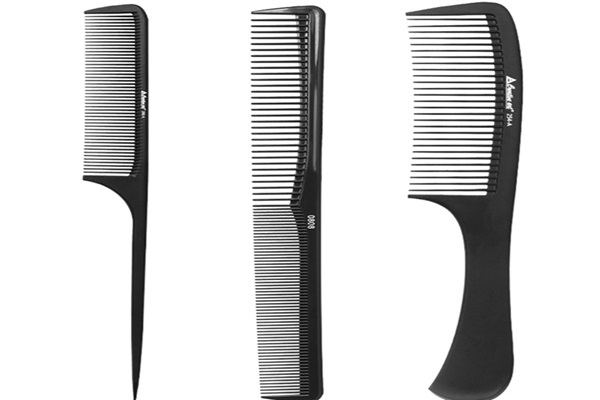
Hair combs may look simple, but tooth spacing, shape, size and material can significantly change how a comb performs. A wide-tooth comb is designed for very different work than a fine-tooth, tail or b...
Fine gray hair often requires a careful balance. The surface may need smoothing, static control, and better alignment, yet too much brushing can quickly remove lift from the roots and make the style a...
A hair brush and a comb can both detangle, arrange and style hair, but they are not interchangeable in every situation. Combs generally provide greater precision and lower resistance for sectioning an...
Hair with natural gray regrowth and color-treated lengths presents a unique styling challenge. The roots may feel stronger, more resistant, or more textured, while the previously colored mid-lengths a...
Curly, wavy, and coily gray hair should not be brushed in the same way as straight hair. Each texture has its own natural pattern, density, shrinkage, and moisture needs. Gray hair may also vary in fe...
Fine, thinning, and fragile gray hair requires a different brushing approach from thick, resilient hair. Although a boar bristle hair brush is often associated with smoother texture, natural shine, an...