Fine thin hair is delicate. Unlike thick or coarse hair, the diameter of each strand is smaller, making it prone to snapping, knotting, and heat damage. Using a standard "all-purpose" brush can lead to micro-tears in the hair cuticle, resulting in chronic breakage and thinning.
To maintain health and volume, your brush must balance gentle detangling with scalp stimulation.
Not sure about your hair type? See our Ultimate Guide to Hair Brush Types for Every Hair Category.
When sourcing or buying a brush for fragile hair, these three specifications are non-negotiable:
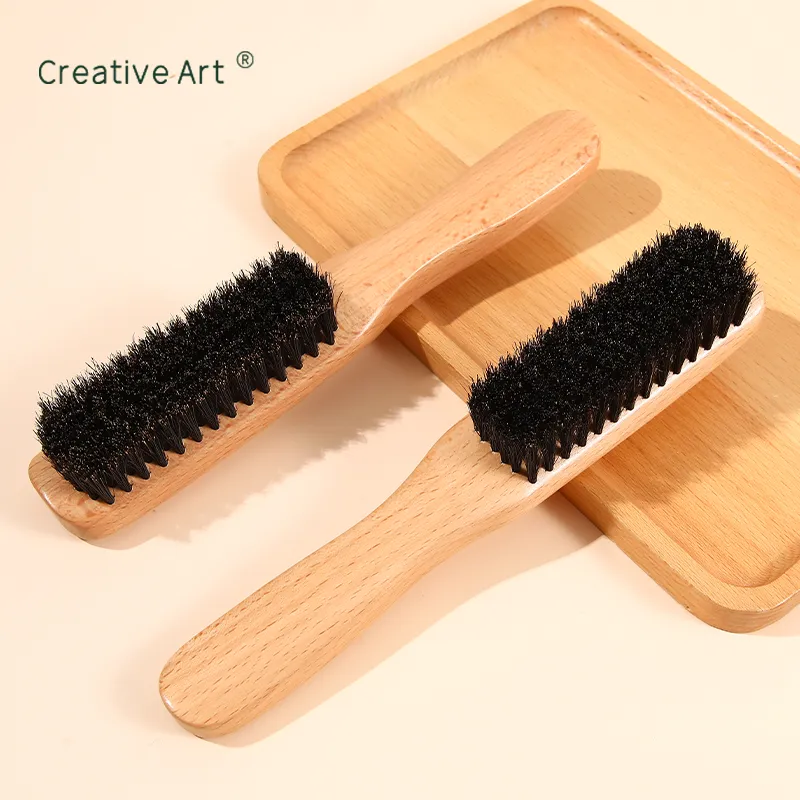
Boar bristles are the gold standard for fine hair. They mimic the human hair structure and effectively distribute natural oils (sebum) from the scalp to the ends. This adds a natural shine and provides a protective layer that prevents breakage.
If your fine hair is also prone to tangles, look for "Boar + Nylon" hybrids. The flexible nylon pins gently untie knots without tugging, while the boar bristles smooth the strands.
Fine hair is highly susceptible to static. Brushes made from Bakelite or high-quality wood help neutralize static, preventing the "flyaway" look that makes thin hair appear even thinner.
Feature | Boar Bristle Brush | Standard Synthetic Brush |
Scalp Health | High (Distributes oils) | Low (Can scratch scalp) |
Breakage Risk | Minimal | Moderate to High |
Volume Boost | Excellent | Average |
Best For | Fine, Thin, Fragile hair | Thick, Synthetic hair |
Even the best brush won't help if your technique is wrong. Follow these professional tips:
Start from the Ends: Never brush from the roots down. Start at the bottom 2 inches and work your way up to minimize tension.
Avoid Brushing Wet Hair: Hair is weakest when wet. If you must detangle, use a specialized Wide-Tooth Bakelite Comb.
Clean Your Brush: Oil and dust buildup can cause friction. Clean your brush once a week to ensure a smooth glide.
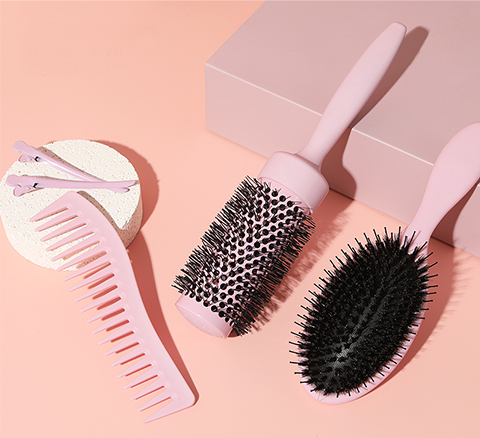
As a professional hair brush manufacturer, we recommend the following models for fragile hair:
The Professional Cushion Brush: Features ultra-soft pins that massage the scalp to promote hair growth.
The Bakelite Fine-Tooth Comb: Perfect for precise styling without the static of cheap plastic.
The Hybrid Boar Bristle Series: Our #1 recommendation for adding volume and shine to thin hair.
Q: How often should I brush fine thin hair?
A: Twice a day (morning and night) is sufficient. Over-brushing can cause unnecessary friction and lead to thinning.
Q: Can a hairbrush actually help with hair growth?
A: Indirectly, yes. Brushing stimulates blood flow to the hair follicles, which can encourage healthier growth over time.
Q: Where can I buy wholesale hair brushes for salons?
A: We offer bulk pricing and OEM services. Contact our sales team here.
Fine hair doesn't have to be flat or prone to damage. By choosing a brush designed for your specific needs, you can transform your hair's texture and longevity.